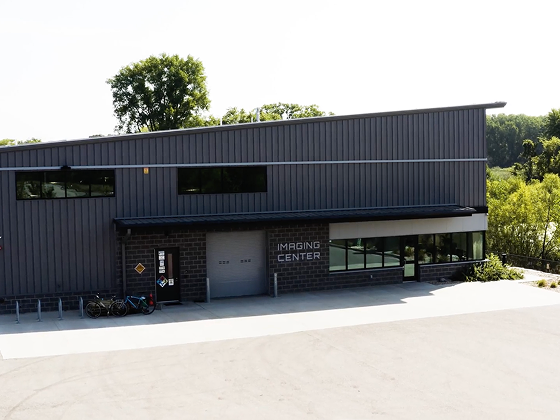
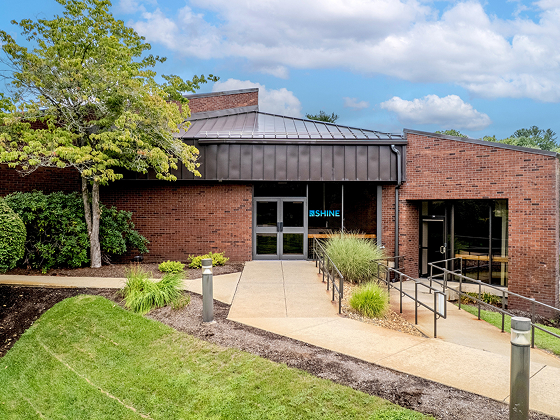
UNDER CONSTRUCTION

CHRYSALIS

Janesville, Wisconsin

INTEGRATED TECHNOLOGIES

Putting fusion to work for patients

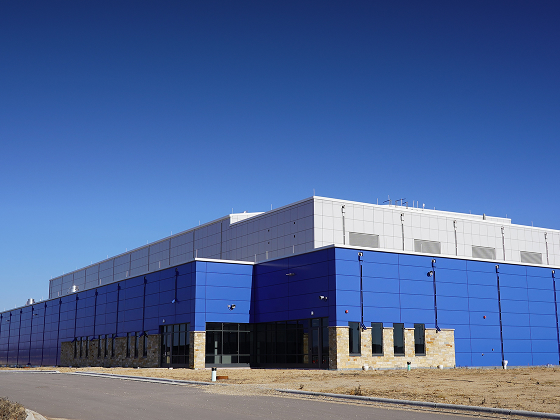
Chrysalis will be a first-of-a-kind medical-isotope production facility driven by SHINE’s fusion technology. Once operational, it is expected to produce molybdenum-99 at a scale capable of supporting more than 20 million patient doses annually. This is expected to establish a secure domestic supply for an isotope used to diagnose heart disease, cancer and other serious conditions. The facility also represents a major advance in SHINE’s fusion platform, integrating high-output fusion neutron generation, radiochemical processing, nuclear licensing and commercial-scale production within a single operating environment.

Key Facility Stats

Primary Product

Mo-99 & Medical Isotopes

Status

Under Construction

Distinction

Passed NRC operating license application review

System Type

Fusion-Fission Hybrid

Energy Output

Fusion-Neutron Driven

“A chrysalis protects a transformation. Ours is built to do the same: turn material once destined for weapons into medicine for millions of patients.”

Greg Piefer, Founder and CEO

VIDEO TOUR

Tour the future of medical-isotope production

Step inside Chrysalis and see how SHINE is building fusion-driven production at commercial scale.

PHOTO GALLERY

See inside Chrysalis

Explore the systems, infrastructure, and construction behind SHINE’s first commercial-scale fusion-driven isotope production facility.

FACILITY CAPABILITIES

The capabilities and planned output

Molybdenum-99 production

Chrysalis is designed to produce Mo-99 domestically, at a scale capable of supporting more than 20 million patient doses each year.

Fusion-driven neutron generation

High-output fusion neutrons will drive the reactions behind Mo-99 production at Chrysalis once fully opearational, reducing reliance on the aging research reactors much of the world’s supply depends on today.

A planned fusion-energy milestone

Chrysalis is designed to pair fusion-driven neutrons with fission to produce isotopes at a scale accelerator-only systems can’t reach.

Versatile isotope production

Once operational, Chrysalis’ systems are built to support additional medical isotopes as patient needs grow, beyond Mo-99 alone.

Integrated nuclear operations

Fusion neutron generation, radiochemical processing and nuclear licensing all operate under one roof, run by one team.

An established 
path to patients

SHINE’s existing distribution network will move Mo-99 from Chrysalis to the hospitals and providers who depend on it.

A major step for medicine and fusion

Chrysalis is designed to solve an immediate supply-chain problem while advancing SHINE’s long-term fusion mission. The United States currently depends on imported molybdenum-99 produced primarily by aging overseas research reactors. Because Mo-99 decays continuously, long-distance transportation reduces the amount available to patients and providers.

By producing Mo-99 domestically at commercial scale, Chrysalis is expected to strengthen a critical medical supply chain. At the same time, the facility’s core operations are the same operations required for spent nuclear fuel recycling. Chrysalis is a practical demonstration plant for that work.

More than 20 million planned patient doses annually—produced with fusion technology in the United States.

newsroom

Chrysalis in the news

FACILITIES

One platform, multiple facilities

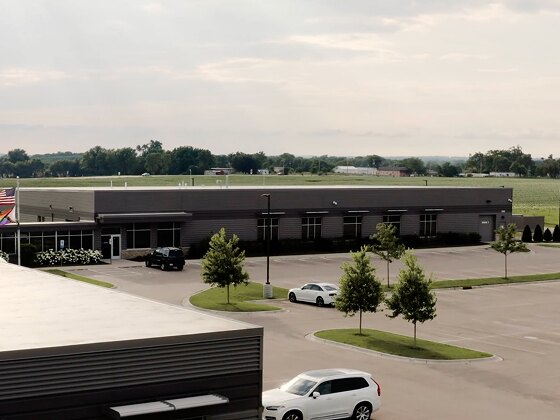
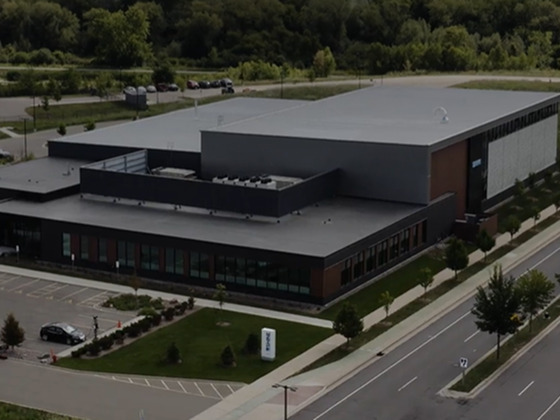
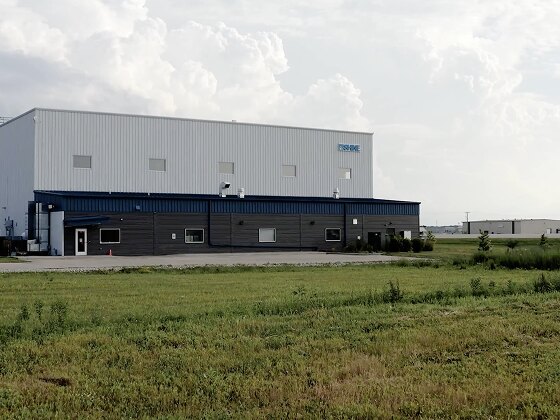
Across our facilities, the same core capabilities support fusion-system development, neutron testing, medical-isotope production, radiochemistry and commercial operations.