
New technology for delivering a reliable, reactor-free isotope supply at scale to power patient diagnostics.
Molybdenum-99 (Mo-99) is the world’s most-used diagnostic isotope. It supports more than 40 million patient scans each year to detect heart disease and cancer. Nearly half of those scans take place in North America—even though almost all Mo-99 is produced abroad from aging reactors.
SHINE is working to change that. Our fusion-based process will enable Mo-99 production at commercial scale, creating a more dependable, sustainable source for medical providers everywhere.


Molybdenum-99 (Mo-99) is the parent isotope of technetium-99m (Tc-99m), a short-lived isotope used in roughly 85% of all nuclear-medicine diagnostic scans. Tc-99m supports about 56,000 patient studies daily in the U.S., helping physicians detect heart disease, cancer, and other serious conditions.
Because Mo-99 has a 66-hour half-life, it must be processed quickly in technetium generators at radiopharmacies and hospitals. It can’t be stockpiled, so timing and logistics are critical to patient care.
Our system combines steady-state, fusion-generated neutrons with a closed-loop liquid uranium target to create Mo-99 efficiently and cleanly. Because the uranium material is recycled, this fusion-based approach achieves medical-grade isotope yields with less waste and lower material cost than reactor-based methods.
The resulting Mo-99 is chemically identical to current products, so it integrates seamlessly into existing generator and radiopharmacy networks. That compatibility ensures neither producers nor providers need to change equipment.

Decades-old reactors still supply nearly all of the world’s Mo-99. Our production model will add capacity where it’s needed most and strengthen the entire supply network.
As new fusion-based facilities come online, they’ll supplement existing reactor production—making the global system cleaner, more reliable, and more sustainable.
US-Based Strength. Chrysalis, our flexible isotope irradiation facility in Wisconsin, is designed to be the world’s largest dedicated medical-isotope plant, supplying nearly half of global demand of Mo-99 at full capacity. Domestic production will deliver material 24–36 hours faster than imported sources. That will reduce decay losses, cut trans-Atlantic transport risk, and improve scheduling for North American clinics.
Global Reach. A planned companion facility in Veendam, the Netherlands will replicate Chrysalis in layout and process, adding regional capacity for Europe and beyond while reducing strain on existing reactors.
A Smarter System. Together, these facilities will form a hybrid global supply—maintaining reliability today while introducing cleaner, scalable fusion production for tomorrow.
We're proud to have accomplished key milestones as we advance our world-class isotope production capabilities.

Every stage of the Mo-99 production process has been engineered for safety, efficiency, and scalability—delivering advantages that matter to patients and providers alike.
.jpg)
Fusion-based production eliminates reactor by-products and avoids highly enriched uranium. We recycle low-enriched uranium from decommissioned systems. The result cuts waste and strengthens safeguards around uranium use, turning legacy materials into lifesaving medicine.
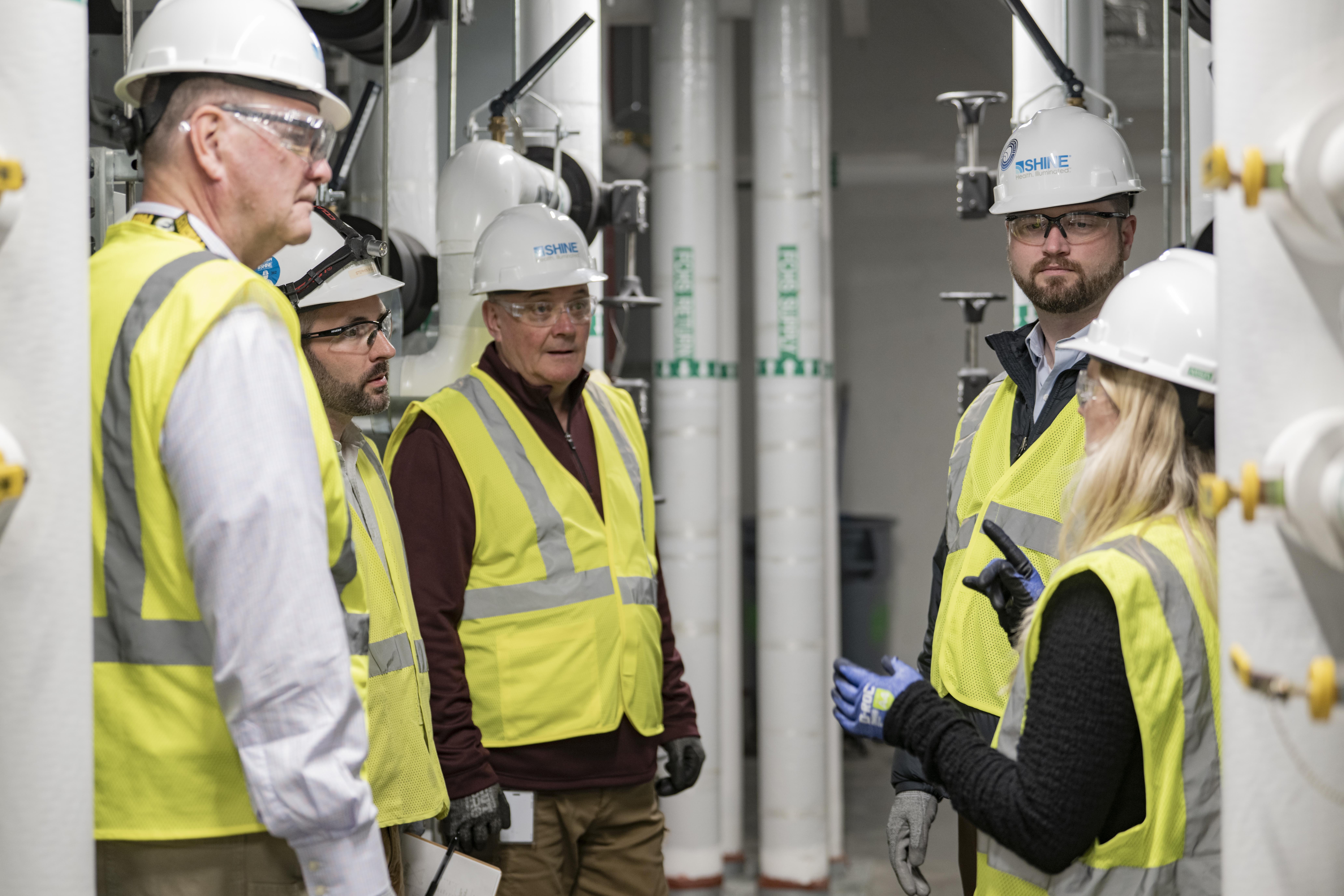
The reusable liquid target operates in a closed loop, allowing multiple production cycles without replacing solid fuel targets. This design drastically reduces uranium use, simplifies isotope separation, and keeps output steady.
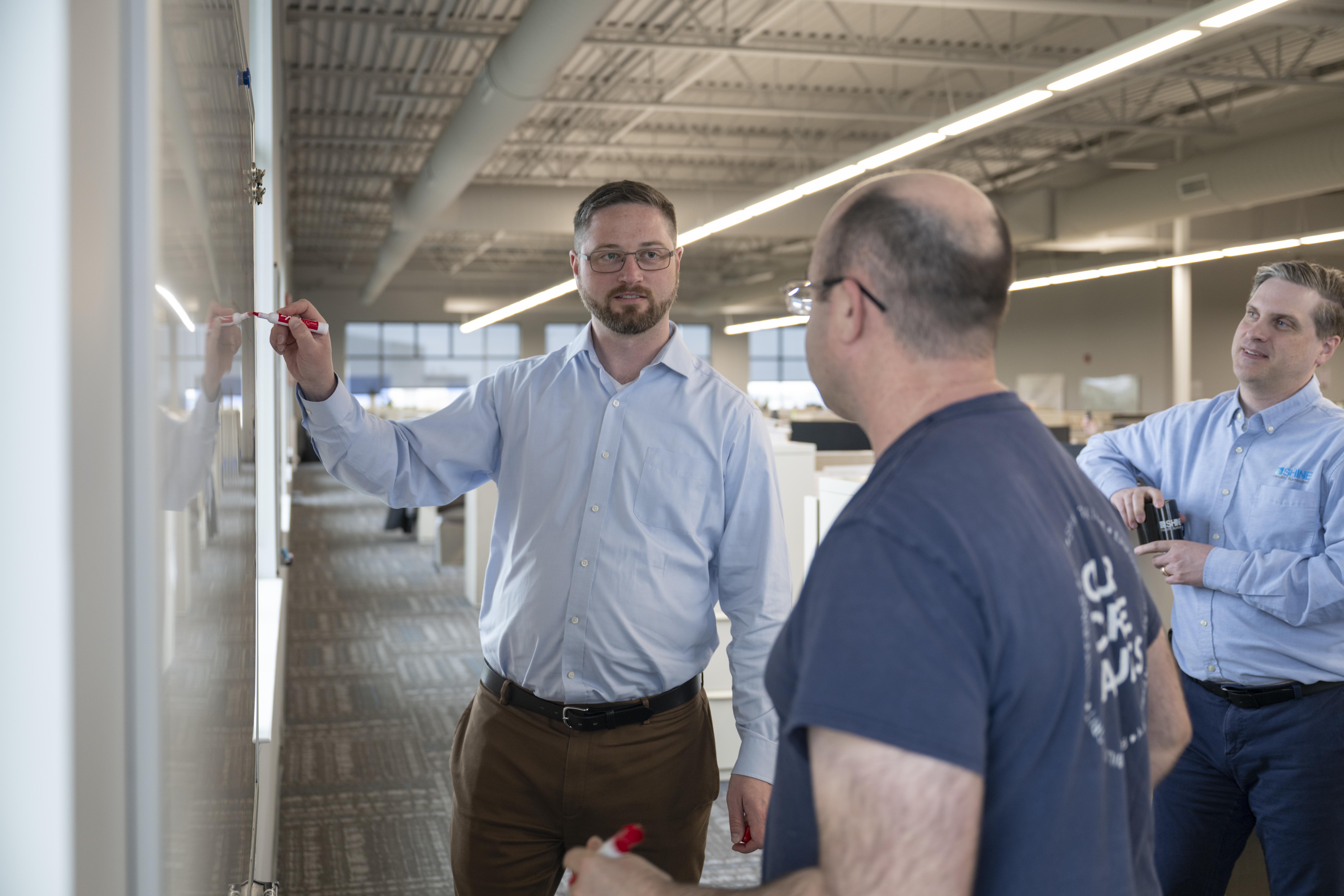
Modular fusion units allow production to begin as additional units are installed over time. With facilities planned for North America and Europe, our system will create a resilient production network to meet global diagnostic needs for decades to come.


